
Project Overview
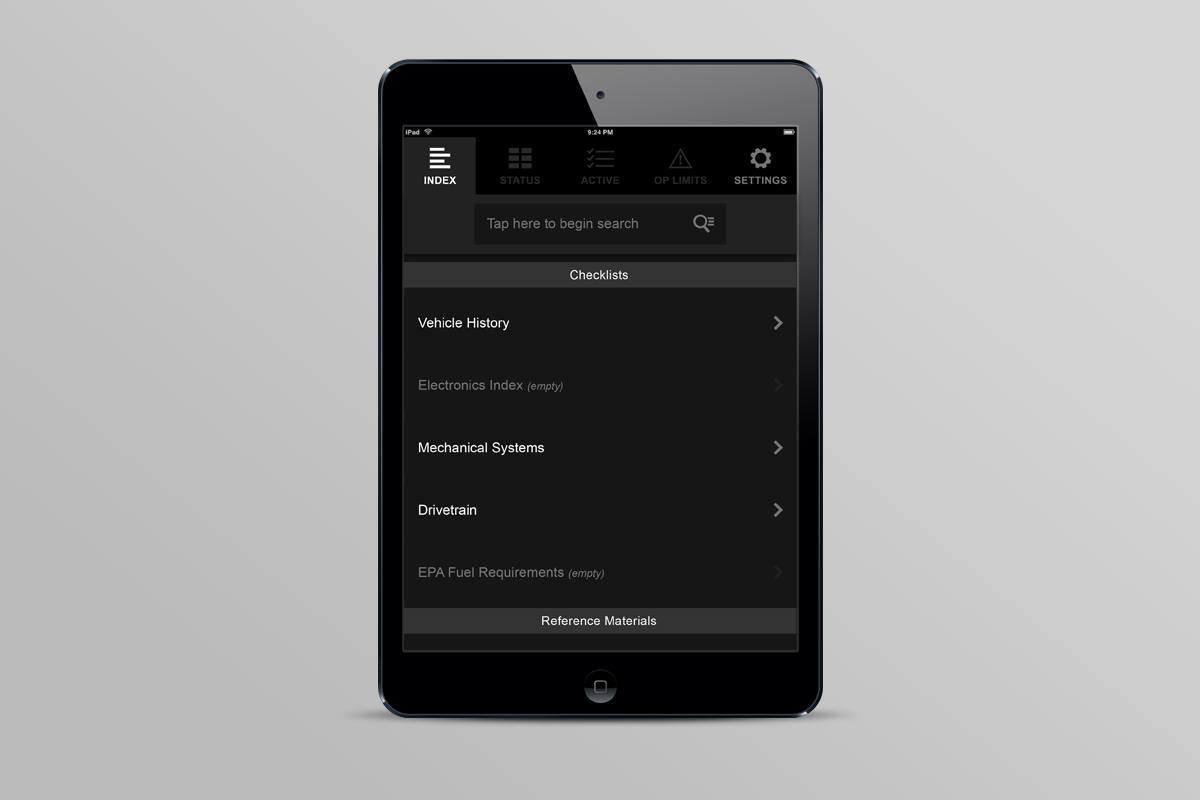
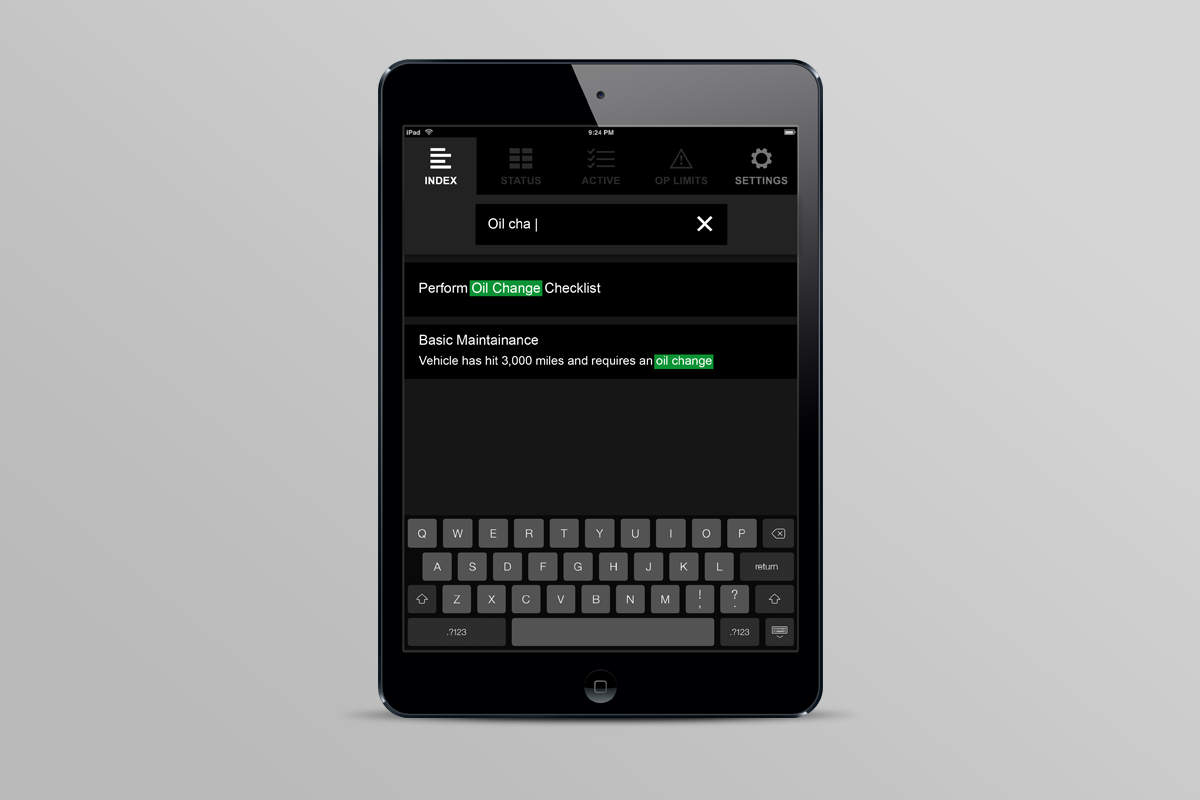
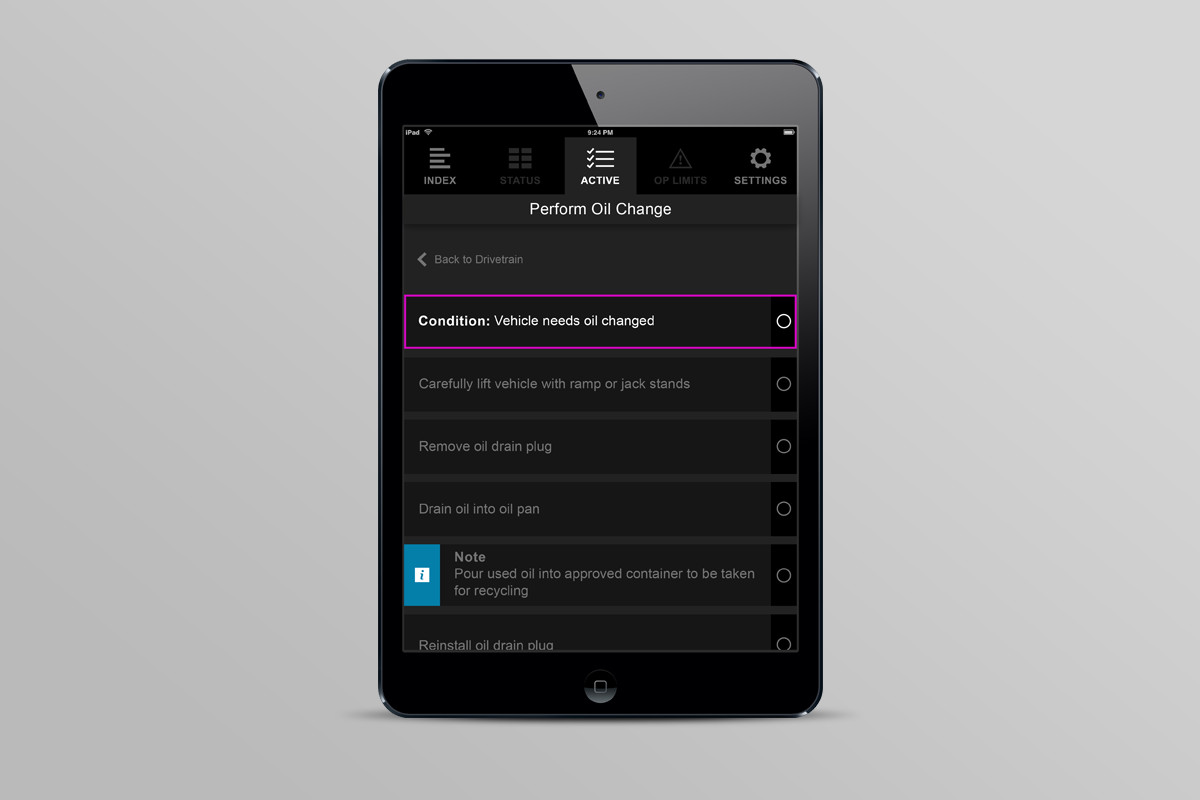
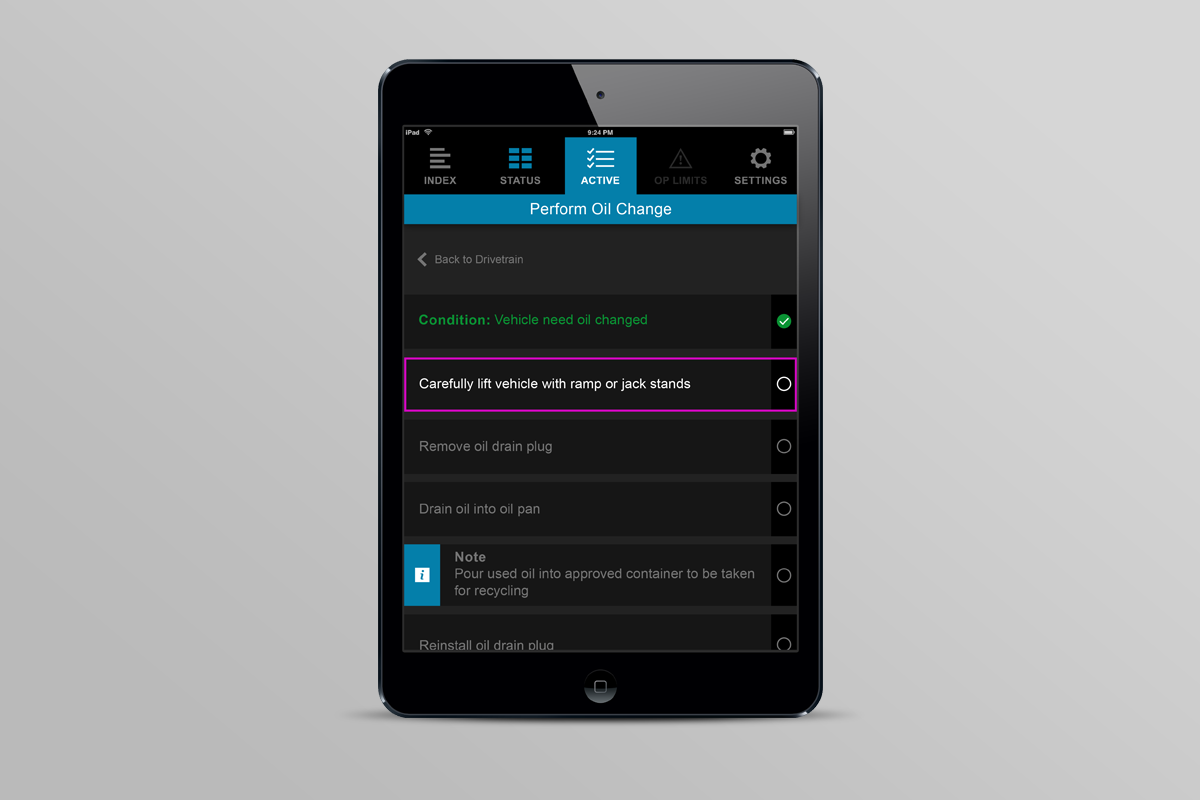
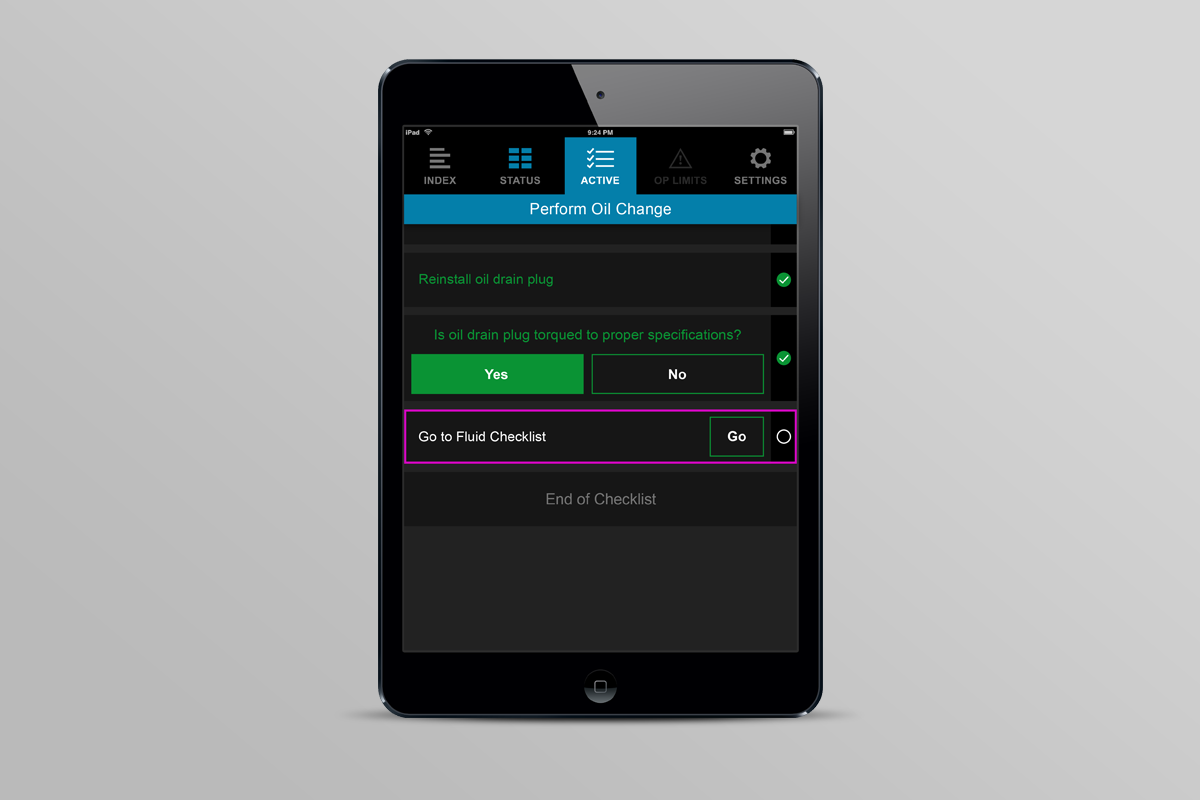
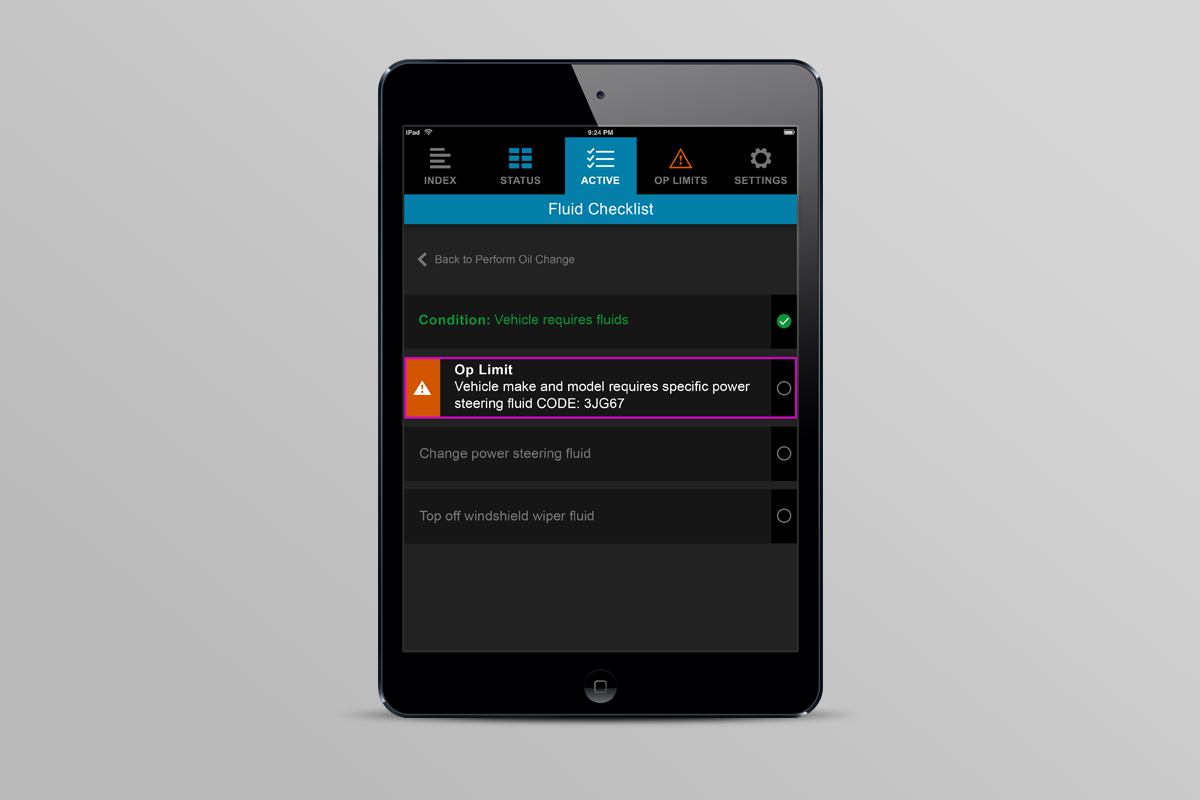
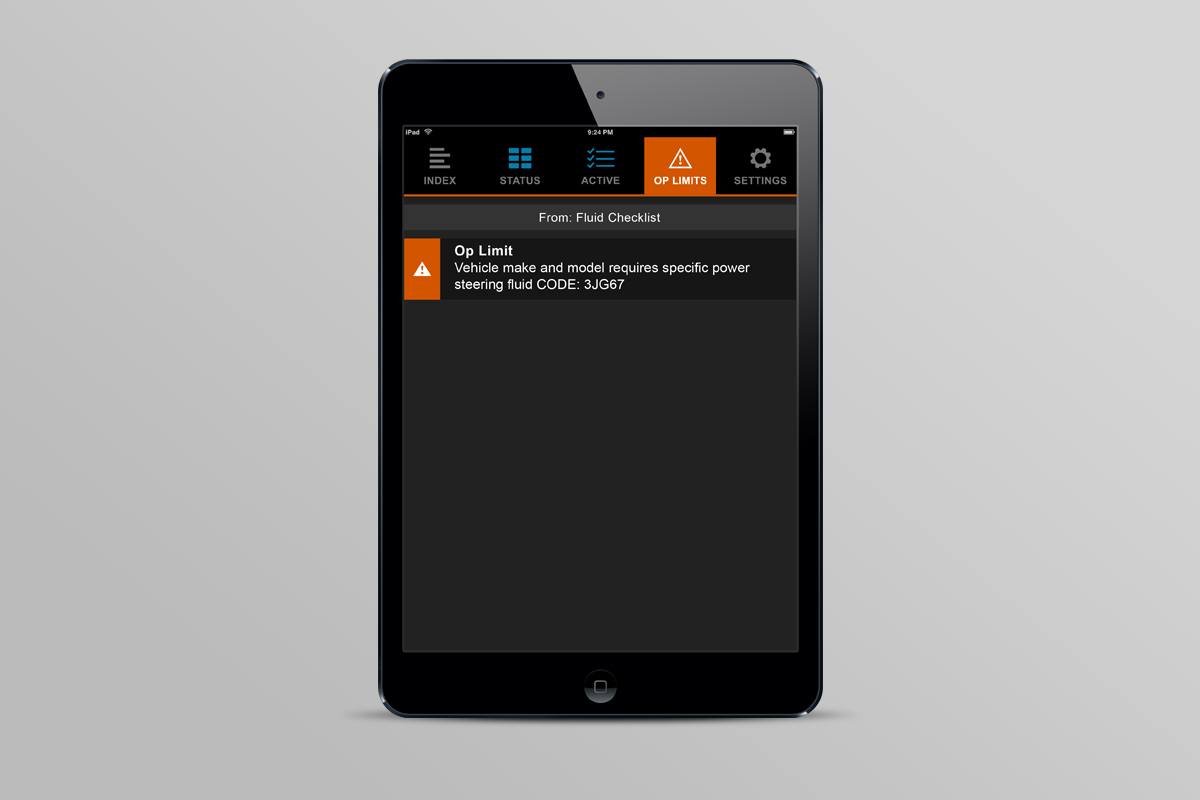
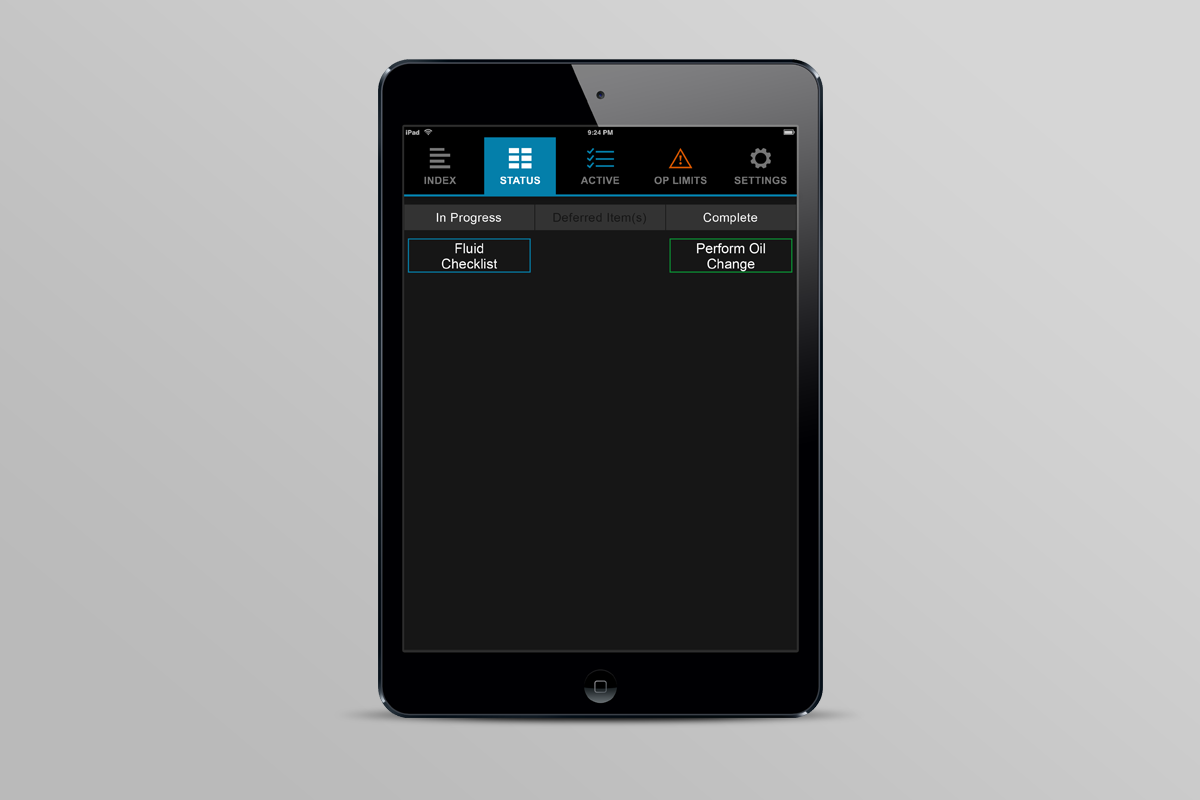
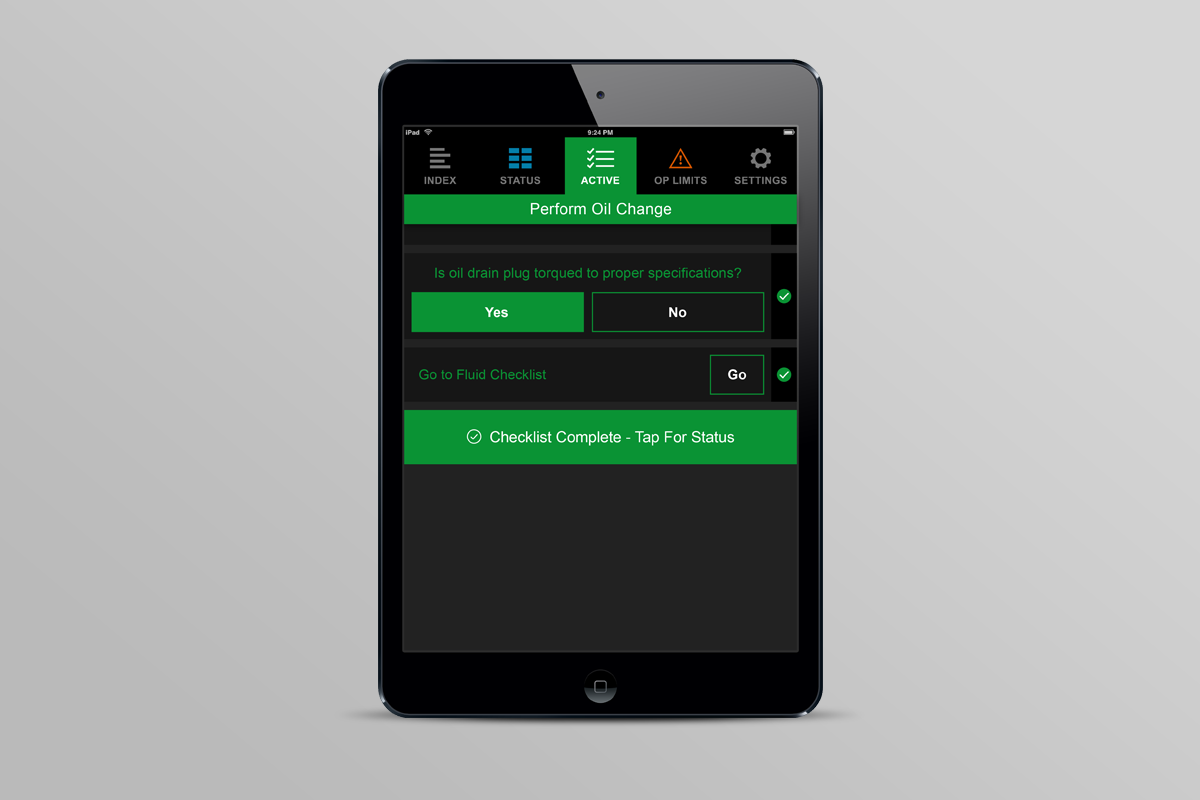
This was one of the largest efforts I worked on during my first few years at GTRI and also one of my favorite projects for a variety of reasons. The Air Force tasked us with creating an iPad application that could be used as a Quick Response Handbook for emergency protocols by the crews of the KC-135 Stratotanker, one of their main refueling platforms. The current method required airmen to page through a phonebook sized series of checklists while wearing flight helmets and gloves in the middle of a potentially catastrophic mid-air emergency. The Air Force was so committed to improving this situation that they even designed special pockets on the flight suits to contain iPad minis running this new product.
Full Case Study: *available upon request due to security constraints
Developer Spec Document: Download PDF
Additional Project Details
I love this project for several reasons; the team I worked with, the direct access to the end users, the unique constraints of building and application to military specifications, and the success we all achieved together.
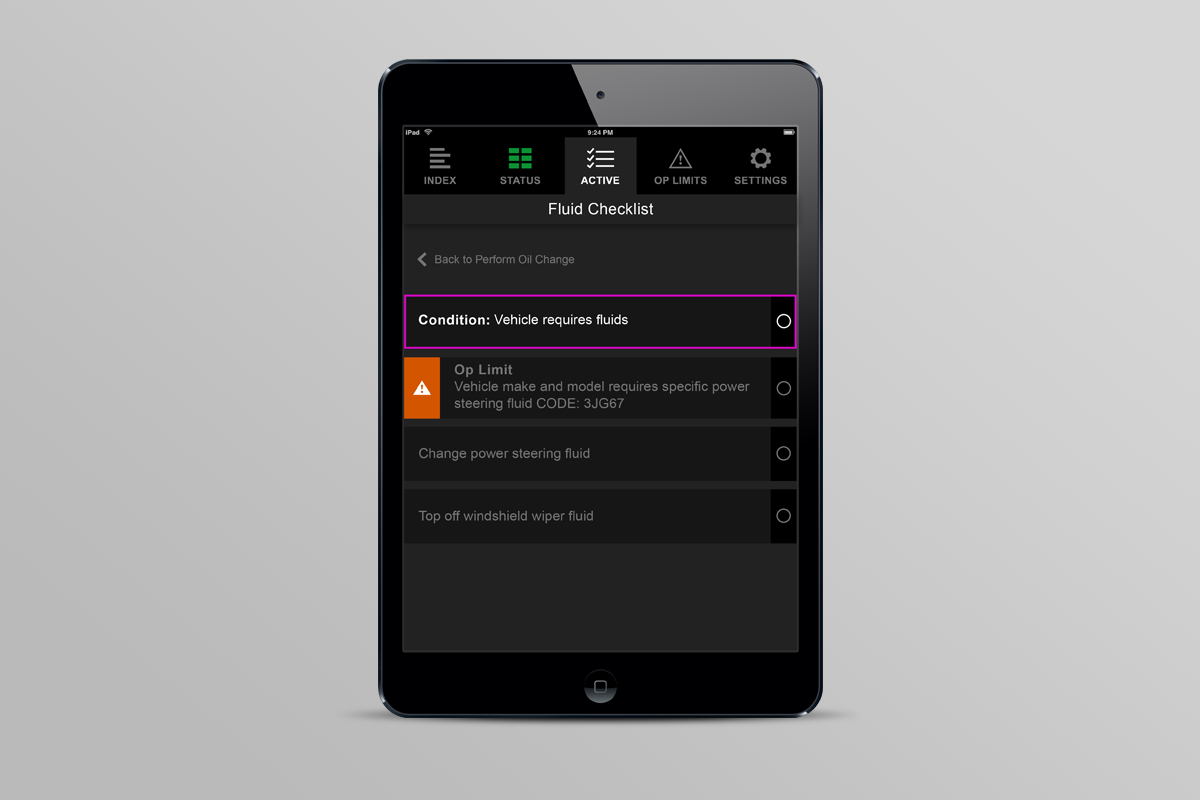
The team energy on this project was awesome. Our developer was in-house and she was very responsive, very easy to work with, and very pragmatic. Two of my co-workers worked tirelessly to liaison with several subject matter experts to go line by line in each existing checklist to convert them into a master, digital version in Excel. My main responsibilities were creating flows of the various parent and child checklists and developing a visual language that was in compliance with MIL-SPEC standards which ensured that the user could manipulate the application while working in a degraded environment (shaky plane, large gloves, etc.)
Dealing with these MIL-SPEC standards was a very unique problem on this project. While it is fairly standard on many of the projects GTRI does, it was my first time even hearing about them. They provide an extremely challenging environment to design within, which makes creating even the simplest screens a challenge. Our access to flight crew to serve as both subject matter experts and also for user testing was extremely helpful. We even built a vibrating platform with a flight seat where users could test the application under real world conditions. It was a total team effort and a shining example of a UX project done successfully.
We received glowing feedback on the final product from a variety of flight crew and our sponsor was extremely happy with the result. You can see some of the original screens that were being created before out team got involved in the expanded case study for this project and how much of a difference we made in the quality of the final product. I am extremely proud of this project, and I feel it serves as a great example of the value of good UX design.